

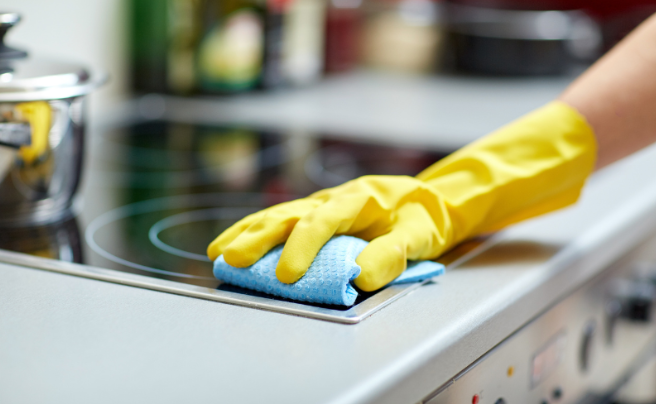
Maintaining a clean and hygienic restaurant is essential for food safety and compliance with health regulations. While daily cleaning addresses surface-level hygiene, restaurant deep cleaning removes built-up grease, bacteria, and food residues that regular cleaning may miss. A professional cleaning service ensures every corner of the kitchen, from ventilation systems to storage areas, remains sanitary. Investing in professional restaurant kitchen cleaning services protects customers and upholds a restaurant’s reputation.
1. Preventing Food Contamination
Food contamination is a major risk in commercial kitchens, and poor hygiene can lead to foodborne illnesses. Bacteria, mould, and grease accumulate over time, increasing the chances of cross-contamination. Regular restaurant deep cleaning eliminates these hazards, reducing the risk of food poisoning and allergic reactions among customers.
Cleaning hard-to-reach areas, such as under cooking equipment and inside ventilation hoods, prevents grease buildup that can harbour bacteria. A thorough cleaning routine ensures food preparation surfaces remain dirt-free, helping restaurants maintain high hygiene standards.
2. Extending the Lifespan of Kitchen Equipment
Restaurant kitchens rely on high-performance equipment that must function efficiently to meet daily demands. Grease and food residue can cause wear and tear on appliances, leading to breakdowns and costly repairs. Regular restaurant deep cleaning prevents grease buildup in ovens, fryers, and grills, helping equipment operate more efficiently and reducing the risk of malfunctions.
Cleaning ventilation systems also improves air circulation, preventing excess heat and smoke from affecting kitchen operations. By maintaining clean equipment, restaurants can avoid unexpected downtime and costly replacements, ultimately saving on operational expenses.
3. Managing Restaurant Cleaning Services Cost Effectively
When it comes to restaurant cleaning services, the cost may vary depending on the provider. Many restaurant owners worry about prices, but regular deep cleaning prevents more expensive issues. Neglecting kitchen hygiene can result in equipment failure, increased pest infestations, and potential health violations, all of which can lead to financial losses.
By scheduling regular restaurant kitchen cleaning services, restaurant owners can distribute cleaning costs over time, ensuring that hygiene standards are consistently met. Investing in professional cleaning services is a long-term cost-saving measure that protects a restaurant’s assets and reputation.
4. Ensuring Compliance with Health Regulations
Health and safety authorities conduct routine inspections to ensure that restaurants comply with cleanliness standards. Failure to meet these requirements can lead to fines, warnings, or temporary closures. Engaging a professional cleaning company in Singapore helps restaurants meet regulatory guidelines by maintaining a hygienic environment.
A restaurant kitchen cleaning service includes deep cleaning of exhaust hoods, grease traps, and other critical areas that can become breeding grounds for bacteria. Staying ahead of health inspections prevents penalties and reassures customers that food is prepared in a safe and sanitary environment.
5. Improving Indoor Air Quality
Restaurant kitchens generate smoke, grease, and odours that can linger in the air if ventilation systems are not properly maintained. Poor air quality affects employees and customers, leading to discomfort and potential health risks. Regular restaurant deep cleaning includes cleaning air ducts, grease filters, and exhaust systems, ensuring air remains fresh and free from contaminants.
A well-ventilated restaurant improves employee working conditions and enhances customers’ dining experience. Ensuring clean air circulation also reduces the risk of respiratory issues caused by prolonged exposure to grease particles and airborne bacteria.
6. Enhancing Customer Confidence and Business Reputation
A clean and well-maintained restaurant creates a positive impression on customers, reinforcing their trust in the establishment. Diners expect high hygiene standards, and a visibly clean restaurant enhances their dining experience. Word-of-mouth and online reviews are critical in the food industry, and maintaining proper cleanliness helps prevent negative feedback related to hygiene concerns.
Regular restaurant deep cleaning ensures front-of-house and back-of-house areas are spotless, creating a welcoming environment for patrons. Customers who feel confident about a restaurant’s cleanliness are more likely to return and recommend it to others, ultimately contributing to long-term business success.
Conclusion
Maintaining a clean and hygienic restaurant is essential for food safety, regulatory compliance, and efficient kitchen operations. Investing in professional restaurant kitchen cleaning services prevents food contamination, extends equipment’s lifespan, and improves air quality. While some may hesitate due to restaurant cleaning service costs, regular restaurant deep cleaning saves businesses from costly repairs, fines, and reputational damage.
Contact Clean@Workz today to ensure your restaurant meets the highest hygiene standards.