

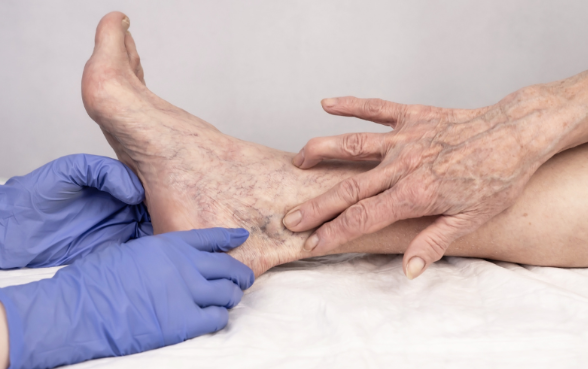
Vein issues are more than just a cosmetic nuisance. They can be a sign of underlying circulation problems. If you’ve been dealing with unsightly spider veins or bulging varicose veins, seeking the expertise of a vascular doctor in Singapore is a step in the right direction. These conditions can lead to discomfort, pain, and even complications if left untreated. Before you dive into treatment, let’s break down everything you need to know.
Do You Need a Vein Treatment?
Not all vein concerns require medical intervention. Some people opt for treatment purely for aesthetic reasons, while others seek relief from symptoms like swelling, aching, and heaviness in the legs. Vein issues are often caused by poor circulation, weak vein valves, or prolonged periods of standing or sitting. If your veins cause discomfort or affect your daily life, consulting a vascular surgeon in Singapore may be necessary.
Signs That You May Need Treatment
Persistent leg pain or cramping could indicate an issue requiring medical attention. Swollen, twisted veins raised above the skin surface are classic signs of venous insufficiency. Swelling around the ankles, particularly by the end of the day, may suggest circulation problems. Skin darkening, irritation, or ulcers near the veins are signs of advanced venous disease. If you notice these symptoms, discussing varicose vein surgery with a professional can help prevent complications.
What Are Your Treatment Options?
Modern vein treatments range from non-invasive procedures to surgical interventions. The right choice depends on the severity of your condition, your health status, and your expectations.
Non-Surgical Options
For mild cases, treatments like sclerotherapy or laser therapy can help. Spider veins treatment in Singapore often involves injecting a special solution, such as a sclerosant, into the affected veins, causing them to collapse and fade over time. Laser therapy uses targeted light energy to heat and destroy the veins without injections. Both options are quick, relatively painless, and require minimal downtime.
Surgical Procedures
If your veins are more problematic, a vascular surgeon in Singapore may recommend a more advanced approach. Varicose surgery typically involves techniques suited to different severities of vein disease.
Endovenous Laser Ablation (EVLA) is a minimally invasive procedure that uses laser energy to close off the affected vein, redirecting blood flow to healthier veins. This technique is known for its effectiveness and relatively quick recovery time.
Radiofrequency Ablation (RFA) functions similarly to EVLA but utilises radio waves instead of laser energy. This method also seals off problematic veins and is an excellent alternative for those seeking non-surgical intervention.
Vein Stripping and Ligation is a traditional surgical method where the problematic vein is physically removed. This procedure is typically reserved for severe cases that do not respond to other treatments.
What to Expect During the Procedure
Most vein treatments are outpatient procedures, meaning you won’t have to stay overnight. Whether it’s a minor injection or varicose vein surgery, expect a structured process.
Consultation
Your doctor will assess your veins through a physical examination and may use ultrasound imaging to evaluate the severity of the issue. This allows them to map out the affected veins and determine the best treatment approach.
Preparation
For non-surgical options, you might need to avoid certain medications, particularly blood thinners, to minimise bruising. For surgery, fasting and other precautions may be required before the procedure.
Procedure
Depending on the method, the procedure could take anywhere from 30 minutes to a couple of hours. Local anaesthesia is commonly used to minimise discomfort. Minimally invasive techniques involve a small incision or needle insertion, while traditional surgery may require more extensive incisions.
Recovery
Mild discomfort, bruising, and swelling are normal but temporary. Most patients can resume light activities within a few days, though more intensive physical activity should be avoided for a few weeks.
Recovery: What’s Next?
Healing times depend on the complexity of the treatment. For spider veins treatment in Singapore, you might resume normal activities almost immediately. However, varicose vein surgery may require a few weeks of downtime.
Recovery Tips
Wearing compression stockings can promote healing and improve circulation by reducing swelling and discomfort. Avoiding strenuous activities, such as heavy lifting or prolonged standing, is essential to prevent complications. Keeping your legs elevated when resting can reduce swelling and improve comfort. Proper hydration and movement, such as short walks, can enhance circulation and speed up recovery. Follow-up appointments with your vascular doctor in Singapore will help monitor your progress and ensure the treatment was effective.
Are There Any Risks?
Every medical procedure carries some risk, but modern vein treatments are generally safe. Potential complications include minor bruising, infection, or, in rare cases, blood clots. A skilled vascular surgeon in Singapore will discuss these risks with you beforehand and ensure that all necessary precautions are taken.
Costs and Insurance: What Should You Know?
The cost of vein treatment varies based on the procedure and clinic. While spider veins treatment in Singapore is often considered cosmetic and not covered by insurance, medically necessary varicose surgery may be eligible for coverage. Factors such as the severity of your condition, the expertise of the doctor, and the facility where the procedure is performed can influence the cost. Always check with your provider before committing to a treatment plan.
Is It Worth It?
If your veins are causing pain, discomfort, or self-consciousness, seeking treatment can improve both your health and confidence. Untreated varicose veins can lead to complications like blood clots and chronic venous insufficiency, making early intervention beneficial. Whether you’re opting for a quick fix or varicose vein surgery, the key is finding a reputable vascular doctor in Singapore who can guide you through the process and offer the best solution based on your condition.
Don’t let vein issues hold you back. Contact Cheng SC Vein and Endovascular to discuss your options and find the best solution for you.