

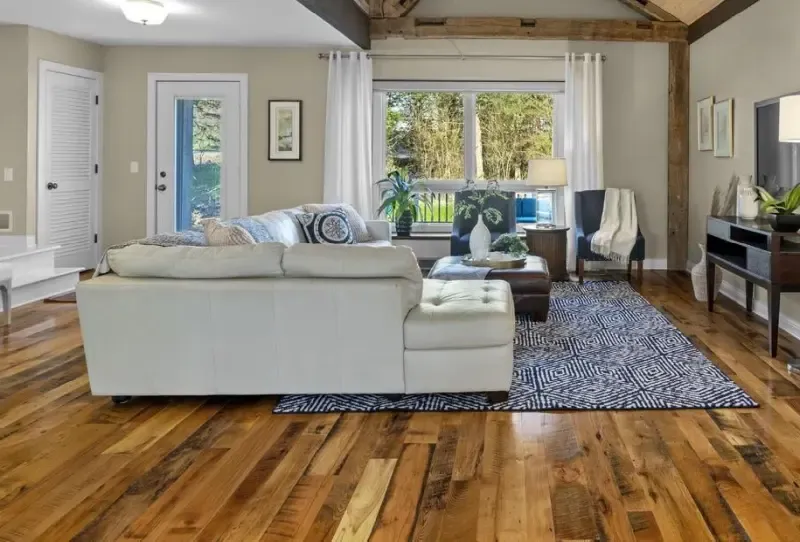
Reclaimed wood flooring is more than just a trend—it’s a statement of style, sustainability, and history. Homeowners are increasingly drawn to the warmth, character, and eco-conscious benefits that this type of flooring brings. Each plank carries a story, from old barns to vintage warehouses, giving your home a unique charm that new wood simply cannot replicate.
Walking across a floor made of reclaimed wood offers a tactile connection to the past. You can feel the texture, see the grain, and appreciate the imperfections that tell a story of time. Unlike mass-produced flooring, reclaimed wood is one-of-a-kind, giving every room its distinctive personality.
The Unique Appeal of Reclaimed Wood Flooring
The beauty of reclaimed wood flooring lies in its authenticity. Unlike freshly milled timber, reclaimed wood has aged naturally, creating deep tones and rich textures that enhance any interior. From rustic farmhouses to modern apartments, this flooring fits seamlessly with a variety of design styles.
Every piece of reclaimed wood is unique, with knots, nail holes, and grain patterns that create a warm, lived-in feel. Designers often use reclaimed wood to add character to minimalist spaces or to contrast modern furniture with rustic elements. The versatility of this flooring allows it to complement both traditional and contemporary décor.
Sustainable and Eco-Friendly Living
One of the strongest reasons homeowners choose reclaimed wood flooring is its sustainability. By repurposing old wood, you reduce the demand for new lumber, which helps conserve forests and minimize environmental impact.
Using reclaimed wood is a practical step toward eco-friendly living. Many suppliers source wood from demolished buildings, retired bridges, or old shipping pallets, ensuring that high-quality timber is not wasted. This approach not only preserves the environment but also reduces your carbon footprint while creating a warm and inviting home.
Durability That Lasts Generations
People often wonder whether reclaimed wood can withstand daily wear and tear. The answer is a resounding yes. Older wood is typically denser and harder than freshly cut timber, making it incredibly durable for long-term use.
In fact, many reclaimed woods were originally harvested from slow-growing trees, resulting in tighter grain structures that increase resilience. When properly installed and maintained, reclaimed wood floors can last for decades, often becoming a family heirloom passed down through generations.
Transforming Spaces with Character
Every plank of reclaimed wood flooring tells a story. Homeowners who want their interiors to feel warm and inviting often choose this flooring to add depth and texture to their rooms.
Imagine stepping into a living room where the floors showcase a mix of deep brown hues, honey-colored tones, and subtle gray streaks—each marking a chapter from the wood’s past life. This authentic character cannot be duplicated by engineered or laminate flooring, making reclaimed wood an investment in both style and history.
Installation and Maintenance Tips
Installing reclaimed wood flooring may require professional expertise due to the unique dimensions and aged nature of the wood. Each plank may vary slightly in size, so precise fitting is essential to maintain a seamless look.
Maintenance is surprisingly straightforward. Regular sweeping or vacuuming prevents dust buildup, while occasional polishing keeps the wood vibrant. Unlike new wood, minor scratches and dents on reclaimed flooring add to its charm rather than detract from it. This makes it ideal for families, pets, and high-traffic areas.
Choosing the Right Reclaimed Wood
Not all reclaimed wood is the same. The choice of wood species, finish, and plank size can dramatically affect the overall look of your flooring. Oak, pine, and maple are popular options due to their durability and appealing grain patterns.
Homeowners can select from different finishes, such as matte, semi-gloss, or hand-scraped textures. These finishes highlight the wood’s natural character and ensure the floor complements your home’s aesthetic. For a truly personalized touch, some people combine multiple wood types to create unique patterns and color contrasts.
Real-Life Stories of Reclaimed Wood Flooring
Consider the example of a renovated countryside cottage. The owners salvaged floorboards from a century-old barn, blending them with modern furniture and soft textiles. The result was a stunning fusion of old and new, where the floors became the centerpiece of the home.
In urban settings, designers often integrate reclaimed wood to soften sleek, industrial interiors. The juxtaposition of rough, weathered wood against concrete walls and steel accents creates a visually striking effect that is both cozy and sophisticated.
Health Benefits of Reclaimed Wood Flooring
Beyond aesthetics, reclaimed wood flooring offers health advantages. Unlike synthetic flooring materials, it does not emit harmful VOCs (volatile organic compounds), contributing to better indoor air quality.
Families with children or pets often appreciate this natural, chemical-free choice. Reclaimed wood is also hypoallergenic, helping to minimize dust accumulation and improve respiratory health over time.
Investing in Long-Term Value
While reclaimed wood flooring may come with a higher upfront cost than standard flooring, it adds long-term value to your property. Its timeless appeal, durability, and eco-conscious credentials make it an attractive feature for potential buyers.
Moreover, the uniqueness of reclaimed wood can increase the perceived value of your home. Each floor tells a story that cannot be replicated, turning your space into a memorable and desirable living environment.
Styling Your Home with Reclaimed Wood
From living rooms to kitchens, reclaimed wood floors elevate any space. Pairing them with neutral walls and natural fabrics enhances the warm tones of the wood. For a modern twist, homeowners mix reclaimed flooring with contemporary furniture and bold accent colors.
In addition to residential settings, reclaimed wood is popular in boutique stores, cafes, and office spaces. The flooring creates a welcoming environment that resonates with visitors, making a lasting impression.
Final Tips for Choosing Reclaimed Wood Flooring
When selecting reclaimed wood, it’s important to source it from reputable suppliers. Ensure the wood is properly treated to eliminate pests and stabilized to prevent warping. Ask about the origin of the wood and its previous use to understand its durability and character.
Remember that every scratch, dent, and color variation adds authenticity. Rather than seeking a flawless finish, embrace the imperfections that give reclaimed wood its unique personality and charm.
Read also: