

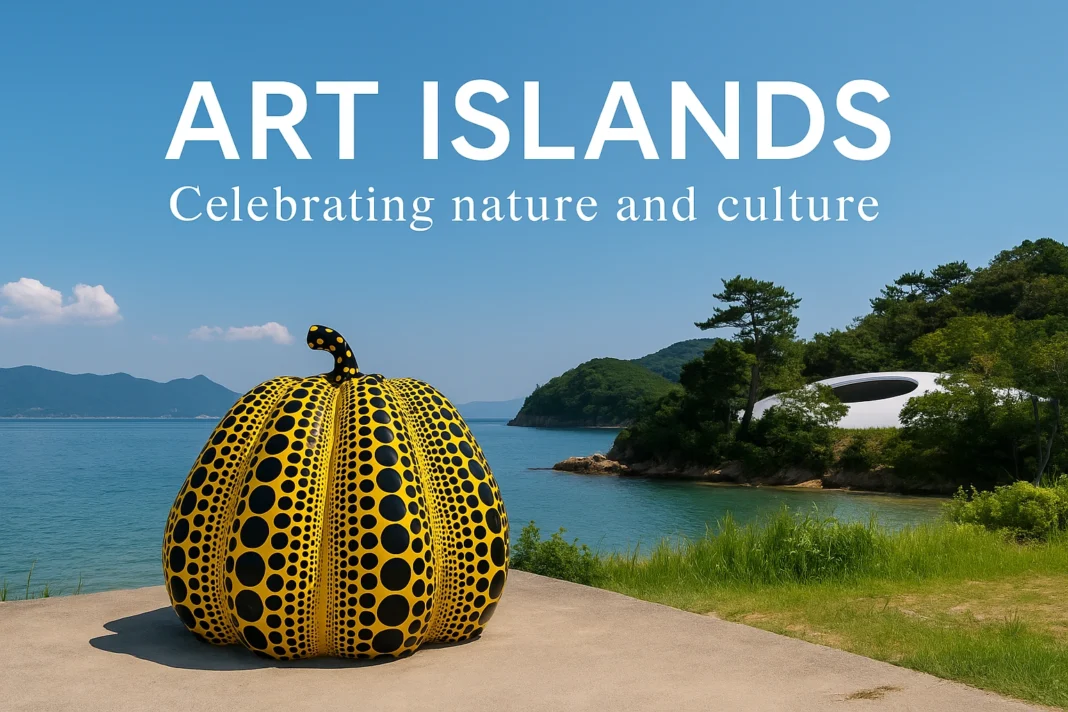
In an age where globalization and urban development threaten to overshadow natural landscapes and indigenous traditions, a refreshing movement has taken root—Art Islands: Celebrating nature and culture. These enchanting destinations offer more than sun-soaked coastlines and serene retreats. They are living canvases where artists, environmentalists, locals, and travelers converge to create and celebrate the synergy between art, nature, and heritage.
In this in-depth blog post, we’ll explore what Art Islands are, their cultural and ecological significance, some iconic examples, and why they matter now more than ever. We’ll also guide you on how to experience these magical places, whether as a visitor, a creator, or a conscious traveler.
What Are Art Islands?
At their core, Art Islands are islands that serve as dedicated spaces for artistic expression while simultaneously preserving the local environment and celebrating cultural identity. These islands are either naturally occurring or transformed through artistic interventions—be it sculpture parks, artist residencies, architectural wonders, or interactive exhibitions.
The philosophy of Art Islands: Celebrating nature and culture revolves around harmony: creating art that complements the natural world instead of exploiting it. These islands act as sanctuaries for sustainable tourism, ecological awareness, and cross-cultural dialogue.
Why Art Islands Are Gaining Global Attention
-
Sustainability with Aesthetic Value
Unlike urban art galleries or museums, art islands are open-air experiences. They often incorporate recyclable materials, eco-conscious designs, and site-specific installations that leave minimal impact on the environment. -
Community Engagement
Many art islands involve the local community in the creative process. This ensures that indigenous knowledge, folklore, and craftsmanship are honored and preserved. -
Transformative Tourism
Travelers are no longer seeking just a beach holiday. Today’s tourists want to connect—with culture, people, and purpose. Art Islands: Celebrating nature and culture offers exactly that: an immersive and mindful alternative to traditional tourism. -
Cultural Conservation
From ancient songs and dance to local legends and native crafts, art islands play a vital role in safeguarding traditions that might otherwise fade away in the digital age.
Notable Art Islands Around the World
1. Naoshima, Japan
Perhaps the most famous art island in the world, Naoshima has been transformed into a cultural mecca. With its stunning Tadao Ando architecture, Yayoi Kusama’s iconic pumpkin sculptures, and underground art museums that seem to rise from the earth, Naoshima is a prime example of Art Islands: Celebrating nature and culture. The island has rejuvenated its community and set a gold standard for environmental design and aesthetic harmony.
2. Inujima, Japan
Part of the Setouchi Triennale, Inujima combines industrial ruins with modern art. Using abandoned smelters and decaying structures as backdrops, artists have created a space that tells stories of labor, loss, and regeneration. It’s a raw yet poetic celebration of how nature and creativity can reclaim forgotten landscapes.
3. Fogo Island, Canada
Home to the award-winning Fogo Island Inn, this island blends architecture, art, and the rugged beauty of Newfoundland. The artist-in-residence program welcomes creatives from around the world to engage with local traditions like boat building, quilting, and storytelling.
4. Ilha do Ferro, Brazil
Located in the São Francisco River, this small island is known for its folk art and handmade crafts. From vibrant wood carvings to clay sculptures, the locals embody the essence of Art Islands: Celebrating nature and culture in every piece they produce.
5. Teshima, Japan
Another jewel in the Seto Inland Sea, Teshima is home to the mesmerizing Teshima Art Museum. Designed like a water droplet, the structure embodies organic elegance. The island is also known for its sustainable farming and environmental education.
The Artistic Language of Nature
Art islands show us that nature is not just a backdrop—it’s an active participant in the creative process. Sculptures carved into rock formations, wind-activated installations, solar-powered soundscapes, and even performance art in the forest reflect a profound respect for the planet.
These places reject mass tourism in favor of slow, meaningful experiences that ask us to listen—to the waves, the winds, and the wisdom of cultures that have thrived in harmony with their environment.
Read More: uploadarticle.blogspot.com
Becoming Part of the Movement
If you’re an artist, conservationist, traveler, or culture enthusiast, here are ways to engage with Art Islands: Celebrating nature and culture:
-
Attend Triennales or Biennales: Events like the Setouchi Triennale spotlight island art on a global stage.
-
Volunteer or Apply for Residencies: Many art islands offer programs for creators, thinkers, and volunteers who want to contribute.
-
Support Local Artisans: When visiting, buy local crafts instead of imported souvenirs.
-
Practice Eco-Tourism: Respect the land, reduce waste, and opt for green accommodations.
-
Share and Educate: Help spread the word. The more people who understand the importance of these islands, the more support they will receive.
Challenges Facing Art Islands
While the concept is inspiring, it’s not without difficulties:
-
Overtourism: The very success of these islands can lead to environmental stress if not managed properly.
-
Cultural Dilution: There’s a risk of traditional art being commercialized for tourist appeal.
-
Climate Change: Rising sea levels and extreme weather threaten the very existence of some islands.
Preserving the integrity of Art Islands: Celebrating nature and culture requires careful planning, collaboration with locals, and respect for the environment.
Read More: uploadarticle. com hot
The Future of Art Islands
As urban life grows louder and digital spaces become increasingly dominant, Art Islands stand as quiet, powerful reminders of what truly matters: connection— to the earth, to our histories, and to each other.
In the years to come, we can expect more islands around the world to adopt this model. Whether funded by governments, NGOs, or private collectors, these islands will continue to evolve into beacons of resilience, imagination, and sustainable living.
Emerging technologies like virtual tours, augmented reality installations, and eco-sculpture parks made with biodegradable materials may also reshape how we experience Art Islands: Celebrating nature and culture in the future.
Final Thoughts
At a time when fast-paced living has distanced us from our roots, Art Islands: Celebrating nature and culture serves as a bridge—a beautiful, meaningful union of creativity and conservation. These are not places to rush through, but sanctuaries to experience, learn from, and cherish.
Whether you’re watching the sun set behind a sea-side sculpture in Naoshima or listening to local legends under the stars in Fogo, you’re part of a larger story—one that honors both the artistic spirit and the planet we call home.
So next time you think of travel, think deeper. Think slower. And maybe, think island—an art island, to be precise.
FAQs
Q1: What exactly is meant by “Art Islands: Celebrating nature and culture”?
A: It refers to islands that merge artistic expression with environmental sustainability and cultural preservation. These destinations highlight how creativity can coexist with and honor nature and tradition.
Q2: Can travelers visit these art islands?
A: Absolutely. Many art islands are open to visitors and host art festivals, residencies, and guided tours. However, it’s important to travel responsibly and respect local customs and the natural environment.
Q3: Are art islands only found in Asia or are they global?
A: Art islands exist worldwide—from Japan to Brazil to Canada. While Japan is currently leading the trend with islands like Naoshima and Teshima, other countries are embracing this concept and developing similar destinations.
Read More: