

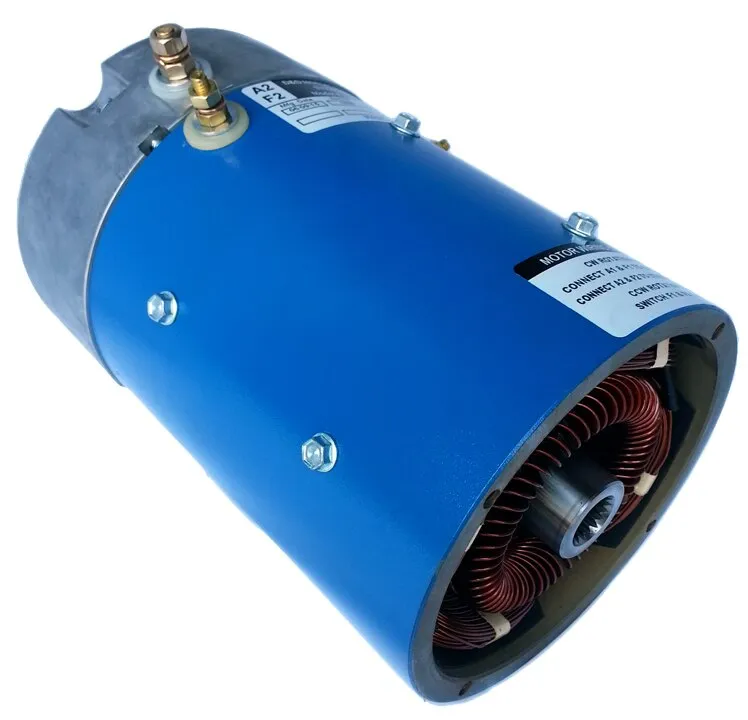
Electric motor upgrades are rapidly becoming a smart investment for industries, EV owners, and facility managers who want better efficiency, stronger performance, and long-term savings. Whether it’s a factory floor machine or an electric vehicle in your garage, upgrading the motor system can dramatically improve output without replacing the entire setup.
The conversation around motors has shifted in recent years. It’s no longer just about horsepower. It’s about energy optimization, digital monitoring, sustainability, and reliability.
From manufacturing plants to home workshops, people are discovering that small motor improvements can lead to significant operational gains.
Why Electric Motor Upgrades Matter More Than Ever
The global push toward electrification has accelerated demand for smarter and more efficient motor systems. Organizations like the International Energy Agency have highlighted how improving motor efficiency can reduce industrial electricity consumption significantly.
Electric motors consume nearly half of the world’s electricity in industrial settings. That statistic alone explains why Electric motor upgrades are gaining attention.
When older motors run inefficiently, they waste energy as heat. Over time, this inefficiency translates into higher electricity bills and increased wear. Upgrading components such as variable frequency drives or switching to high-efficiency models can cut energy usage dramatically.
For businesses operating on thin margins, these savings are not minor. They can reshape profitability.
Real-World Story: A Factory Transformation
A mid-sized manufacturing unit in Pune recently replaced several aging induction motors with high-efficiency systems paired with modern drives.
Before the upgrade, machines frequently overheated and required unplanned downtime. After implementing Electric motor upgrades, the facility reported a noticeable drop in energy consumption and maintenance calls within months.
The investment paid for itself faster than expected. Employees also noticed smoother operation and reduced vibration noise across production lines.
This kind of real-world transformation shows that performance improvement isn’t theoretical. It’s measurable and practical.
Understanding the Technology Behind Electric Motor Upgrades
Electric motor upgrades can involve several enhancements depending on application and goals. Some focus on increasing torque output. Others aim to improve energy efficiency or extend equipment lifespan.
High-efficiency motors are designed with better magnetic materials, improved winding configurations, and optimized cooling systems. Manufacturers such as Siemens and ABB lead innovation in this area.
Variable Frequency Drives, commonly called VFDs, are another critical upgrade. These devices adjust motor speed according to demand rather than running at full capacity constantly.
This precise control reduces energy waste and mechanical stress, making Electric motor upgrades a strategic move for modern facilities.
Electric Motor Upgrades in Electric Vehicles
The automotive sector has also embraced innovation. Companies like Tesla and BYD continuously refine motor designs to increase range and efficiency.
For EV enthusiasts, Electric motor upgrades can improve acceleration, torque delivery, and thermal management. Advanced cooling systems allow motors to operate at higher performance levels without overheating.
Upgraded inverters and power electronics further enhance responsiveness. Drivers often describe the difference as smoother acceleration and more consistent power output.
As battery technology improves, motors must evolve in parallel. This synergy defines the next generation of electric mobility.
Energy Efficiency and Cost Savings
Energy efficiency is often the primary reason businesses pursue Electric motor upgrades. Replacing standard motors with premium efficiency models can reduce energy consumption by several percentage points.
While that may sound modest, in large facilities operating continuously, those percentage points translate into substantial annual savings.
Additionally, improved efficiency reduces heat buildup. Lower temperatures extend insulation life and decrease failure rates.
Over time, these benefits compound, delivering both direct and indirect financial returns.
Smart Monitoring and Predictive Maintenance
Modern upgrades often include digital monitoring capabilities. Sensors track vibration, temperature, and load patterns in real time.
Data collected from these sensors feeds into analytics platforms, identifying early signs of wear or imbalance. This predictive approach prevents unexpected breakdowns.
Electric motor upgrades that integrate Internet of Things technology create smarter, self-aware systems. Maintenance shifts from reactive to proactive.
For industries relying on continuous production, this transformation is invaluable.
Environmental Impact of Electric Motor Upgrades
Sustainability is no longer optional. Governments and environmental agencies encourage energy optimization across sectors.
Efficient motors reduce greenhouse gas emissions indirectly by lowering electricity demand. In regions dependent on fossil fuels for power generation, this reduction makes a meaningful difference.
Organizations aligned with sustainability goals increasingly view Electric motor upgrades as part of broader ESG strategies.
The impact goes beyond compliance. It strengthens brand reputation and operational resilience.
Industrial Applications and Heavy Machinery
In heavy industries such as mining, construction, and manufacturing, motors endure extreme conditions. Heat, dust, and continuous loads can degrade performance quickly.
Upgrading insulation materials, improving rotor design, and integrating advanced cooling systems enhance durability.
Electric motor upgrades also allow for better load matching. Oversized motors waste energy, while undersized ones strain excessively. Properly calibrated upgrades ensure balanced performance.
This alignment reduces downtime and increases overall productivity.
Residential and Small Business Benefits
It’s not just large industries benefiting from Electric motor upgrades. Small workshops, agricultural operations, and even homeowners see advantages.
Upgrading irrigation pump motors improves water efficiency. Modern garage workshop tools run quieter and consume less electricity.
For small business owners managing tight operating budgets, these improvements support both savings and reliability.
The scalability of upgrades makes them accessible across different sectors.
Challenges to Consider Before Upgrading
Despite clear benefits, Electric motor upgrades require careful planning. Compatibility with existing systems must be evaluated.
Electrical infrastructure, load capacity, and environmental conditions influence upgrade decisions.
Initial investment costs can appear significant, especially for large-scale facilities. However, lifecycle cost analysis typically reveals long-term savings.
Working with certified engineers ensures optimal selection and safe installation.
Innovation Trends Shaping Electric Motor Upgrades
Technological progress continues at a rapid pace. Advanced materials such as rare-earth magnets enhance power density.
Digital twin technology allows engineers to simulate motor performance before physical implementation. This reduces risk and improves design accuracy.
Artificial intelligence algorithms analyze performance patterns, refining efficiency automatically over time.
Electric motor upgrades are no longer limited to hardware. Software optimization plays an equally critical role in maximizing output.
Workforce and Skill Development
Upgrading motor systems also requires skilled technicians familiar with modern drives and control systems.
Training programs offered by technical institutions and manufacturers prepare professionals for evolving demands.
As automation increases, expertise in installation and maintenance becomes more valuable.
Electric motor upgrades contribute to workforce development by encouraging advanced technical skills.
Financial Incentives and Policy Support
In many regions, governments provide incentives for adopting high-efficiency motor systems. Energy efficiency rebates and tax credits reduce upfront costs.
These incentives accelerate adoption and encourage modernization across industries.
Businesses that stay informed about available programs can significantly offset investment expenses.
Electric motor upgrades often qualify under energy-saving initiatives, making them financially attractive.
The Strategic Advantage of Electric Motor Upgrades
Electric motor upgrades offer more than technical improvements. They create a competitive edge.
Companies that modernize equipment reduce operational disruptions and improve output consistency.
Enhanced performance supports scalability and innovation.
By investing in Electric motor upgrades, organizations future-proof their infrastructure against rising energy costs and regulatory pressures.
From factories to electric vehicles, Electric motor upgrades are redefining efficiency standards across industries.
As electrification expands globally, Electric motor upgrades will continue shaping how machines perform, consume energy, and deliver value in a rapidly evolving world.
Read also: