

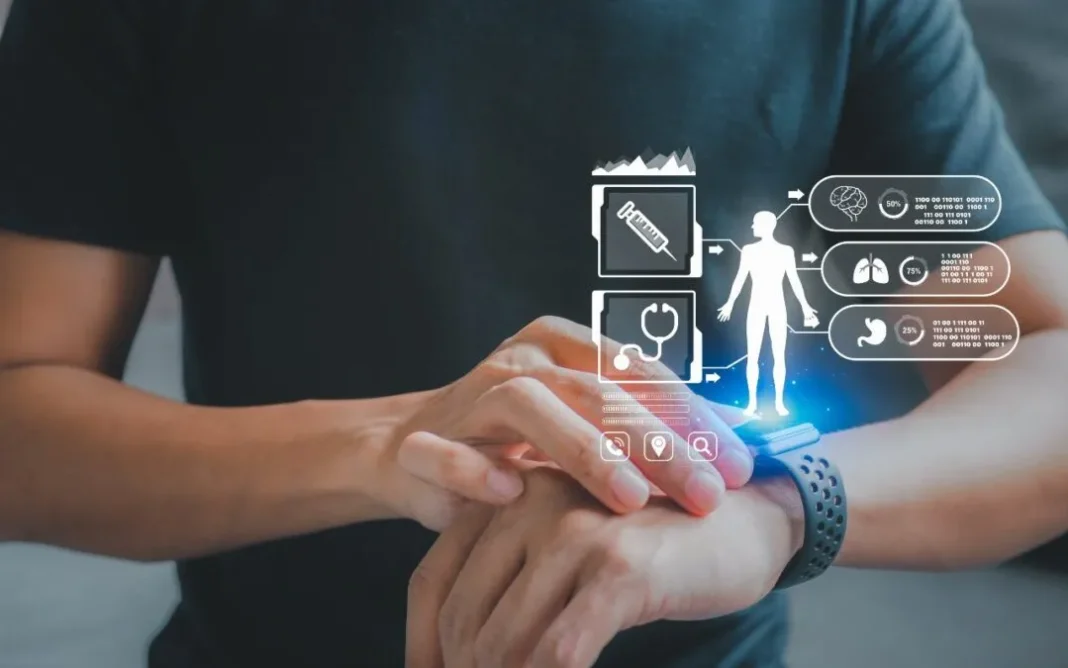
Health Tracking Tech has fundamentally altered the way I approach my morning routine and my overall long-term wellness strategy. Not too long ago, if you wanted to know your resting heart rate or the quality of your deep sleep, you had to visit a specialized laboratory or undergo a clinical study. Today, a slim ring on my finger or a watch on my wrist provides more data than a team of doctors could have gathered in a week back in the nineties. This shift toward the “quantified self” isn’t just about collecting numbers for the sake of vanity; it is about reclaiming agency over our biological outcomes in an increasingly fast-paced world.
I remember talking to a friend named Sarah who felt constantly fatigued despite getting what she thought was eight hours of sleep. She decided to invest in some basic hardware to monitor her vitals throughout the night. To her surprise, the data revealed that her room was too warm and her heart rate remained elevated for hours because she was eating too close to bedtime. By adjusting those two small variables based on real-time feedback, she transformed her energy levels within a week. That is the true power of these tools—they turn invisible biological processes into actionable insights that we can actually use.
The landscape of personal wellness devices has expanded far beyond simple step counters that we used to clip onto our belts. We are now entering an era where sophisticated sensors can measure blood oxygen levels, skin temperature, and even perform a one-lead ECG right from your wrist. This level of accessibility is democratizing health information, allowing the average person to spot trends before they become chronic issues. It creates a proactive rather than a reactive approach to medicine, which is a significant leap forward for public health.
However, as we embrace these gadgets, it is important to remember that they are tools, not absolute authorities. The expertise behind the algorithms is impressive, but the human element remains the most critical part of the equation. We must learn to interpret this data with a balanced perspective, using it to complement professional medical advice rather than replacing it entirely. When used correctly, these innovations act as a 24/7 guardian, whispering suggestions on when to push harder in the gym or when it is time to take a much-needed rest day.
Elevating Daily Wellness with Health Tracking Tech
One of the most profound impacts of Health Tracking Tech is the way it bridges the gap between our intentions and our actions. We all like to think we are active enough or that we handle stress well, but the data often tells a different story. I’ve found that seeing my Heart Rate Variability (HRV) drop after a particularly stressful workday serves as a gentle reminder to practice some deep breathing or meditation. It provides a visual representation of internal stress that our minds often try to ignore or push through.
The integration of continuous glucose monitors (CGMs) is another fascinating development in this space. Originally designed for individuals managing diabetes, these sensors are now being used by athletes and health enthusiasts to understand how specific foods affect their blood sugar. Imagine eating a “healthy” oatmeal breakfast only to see your tracker show a massive glucose spike followed by a crash. This real-time feedback allows you to customize your nutrition to your unique biology, which is far more effective than following a generic diet plan found in a magazine.
Furthermore, the social aspect of these platforms cannot be overlooked. Many apps allow you to join challenges with friends or family members, turning the solitary act of exercise into a community experience. I’ve seen families who live across the country from one another stay connected through daily step goals and activity badges. It creates a sense of accountability and healthy competition that keeps people moving when their motivation might otherwise wane. This communal push is a powerful motivator in our modern, often sedentary lifestyle.
Recovery is the often-ignored sibling of fitness, but modern gadgets are finally giving it the spotlight it deserves. By monitoring things like sleep cycles and respiratory rates, these devices can tell you if your body has actually recovered from your previous workout. If my watch tells me my recovery score is low, I might swap a high-intensity run for a long walk or a yoga session. This prevents overtraining and reduces the risk of injury, ensuring that I can stay consistent with my physical activity over the long haul.
Navigating the Privacy of Health Tracking Tech Data
As we provide these devices with access to our most intimate biological data, the conversation around privacy and security becomes paramount. We are essentially creating a digital blueprint of our DNA and daily habits, which is incredibly valuable information. It is crucial to choose companies that prioritize data encryption and have transparent privacy policies. I often tell people to look closely at who owns their data and whether that information is being sold to third-party advertisers or insurance companies.
The trustworthiness of a platform is built on how it handles this sensitive information. Reputable brands in the Health Tracking Tech industry are moving toward decentralized data storage and giving users more control over what they share. This is an essential step in maintaining the trust of the global population. If people feel that their health data could be used against them in the future, they will be much less likely to adopt these life-saving technologies. Privacy is not just a feature; it is a fundamental requirement for the success of digital health.
There is also the question of data accuracy. While consumer-grade sensors have improved significantly, they can still be prone to errors depending on how they are worn or the specific activity being performed. For example, wrist-based heart rate monitors can sometimes struggle during high-intensity interval training due to the movement of the arm. Understanding these limitations helps us use the data more effectively. I always suggest comparing your wearable’s data with manual checks or medical-grade equipment every once in a while to ensure everything is within a reasonable margin of error.
Despite these concerns, the potential benefits far outweigh the risks for most people. The ability to detect an irregular heart rhythm like Atrial Fibrillation (AFib) through a wearable device has already saved countless lives. These success stories are becoming more common as the technology matures. We are moving toward a future where our devices can alert emergency services automatically if they detect a fall or a sudden cardiac event. This safety net provides immense peace of mind, especially for the elderly or those living alone.
The Psychology of the Quantified Self
Living with Health Tracking Tech changes the way you perceive your own body and its capabilities. There is a psychological phenomenon where simply measuring a behavior often leads to an improvement in that behavior. For instance, once I started tracking my daily water intake, I naturally found myself reaching for a glass of water more often without even thinking about it. The act of tracking creates a feedback loop in the brain that rewards positive choices and highlights negative patterns.
However, we must be careful not to fall into the trap of “data obsession.” I have seen people become so focused on hitting their sleep score or step goal that it actually causes them more stress than the health benefit is worth. If you find yourself feeling anxious because your watch told you that you didn’t sleep well, even though you feel rested, it might be time to take a break from the screen. The goal is to use the data to enhance your life, not to become a slave to a set of digital metrics.
The most effective way to use these tools is to look at long-term trends rather than daily fluctuations. Our bodies are complex and dynamic; it is normal for our weight, heart rate, and sleep quality to vary from day to day. A single bad night of sleep or one missed workout doesn’t define your health status. By looking at your data over weeks and months, you can see the true impact of your lifestyle choices. This big-picture perspective helps maintain a healthy relationship with your metrics and keeps you focused on sustainable progress.
Modern apps are also getting better at providing context to the data. Instead of just telling you that your heart rate was high, they might ask if you were stressed or if you had an extra cup of coffee. This contextualization helps us understand the “why” behind the numbers. It encourages us to look at our lifestyle as a whole—including our diet, stress levels, environment, and social connections. This holistic view is what leads to true, lasting wellness rather than just temporary improvements.
Biofeedback and the Future of Mental Wellness
The next frontier for Health Tracking Tech is the deep integration of mental health monitoring. By analyzing patterns in our heart rate, sleep, and even our typing speed or voice tone, AI-driven apps are becoming surprisingly good at predicting shifts in mood or the onset of anxiety. I find this particularly exciting because mental health is often much harder to quantify than physical health. Having an objective measure of my stress levels can help me take action before I reach a state of burnout.
Breathwork and biofeedback training are also becoming standard features in many wearables. When the device detects a spike in stress, it can guide you through a three-minute breathing exercise designed to calm the nervous system. This is a perfect example of technology and ancient wisdom working together. It turns your watch into a portable therapist that is always there when you need a moment of zen. For someone working in a high-pressure environment, this kind of intervention can be a game-changer for their daily quality of life.
In the future, we may see these devices communicating directly with our smart homes. Imagine your wearable telling your thermostat to lower the temperature because it detects you are entering a deep sleep phase, or your kitchen lights gradually brightening in response to your natural circadian rhythm. This level of environmental automation based on biological data is the ultimate expression of the “smart life.” It creates a living space that is perfectly tuned to your physical and mental needs, maximizing your potential for rest and productivity.
The expertise behind these systems is growing every day as developers collaborate more closely with psychologists and neurologists. We are moving beyond simple tracking and into the realm of therapeutic intervention. Whether it is through haptic feedback that gently taps your wrist to remind you to stand up straight or light therapy integrated into smart glasses, the ways technology can support our mental and physical well-being are virtually limitless. We are only just beginning to scratch the surface of what is possible.
Integrating Tech with Traditional Medical Care
A common concern among medical professionals is that patients might use Health Tracking Tech to self-diagnose or ignore professional advice. However, the most forward-thinking doctors are actually embracing this data as a way to enhance patient care. Imagine being able to show your cardiologist a six-month log of your heart rate and activity levels instead of just a single snapshot from a ten-minute office visit. This long-term data provides a much clearer picture of your health and helps your doctor make more informed decisions.
The key to this successful integration is communication. I always encourage people to bring their wearable data to their annual check-ups. Most doctors are happy to look at trends in your sleep, blood pressure, or exercise habits. It can help them identify potential issues that might not be apparent during a standard exam. This partnership between the patient, the technology, and the physician is the future of personalized medicine. It empowers the patient to be an active participant in their own care, which leads to better outcomes across the board.
Insurance companies are also taking notice of this trend. Some providers now offer discounts or rewards for policyholders who meet certain activity goals or share their health data. While this raises some ethical questions about privacy and fairness, it also creates a financial incentive for people to take better care of themselves. If we can use technology to reduce the incidence of lifestyle-related diseases, it would significantly lower the burden on the global healthcare system. It is a powerful example of how market forces and technology can align to promote a healthier society.
As the hardware continues to shrink and the sensors become more accurate, the line between consumer electronics and medical devices will continue to blur. We may soon see “smart clothes” with woven-in sensors that monitor our posture and muscle activation, or even temporary “digital tattoos” that can track biomarkers in our sweat. These innovations will provide even more data without the need to wear a bulky watch or ring. The goal is to make health monitoring so seamless and invisible that it becomes a natural part of our everyday existence.
Training and Performance Optimization
For athletes and fitness enthusiasts, Health Tracking Tech has become an indispensable part of their training kit. It allows for a level of precision that was once reserved for professional sports teams with massive budgets. By monitoring metrics like “training load” and “intensity minutes,” an athlete can ensure they are pushing themselves hard enough to see gains without crossing the line into injury. It takes the guesswork out of training, allowing for a more scientific approach to physical performance.
I have used these tools to fine-tune my own running schedule, and the results have been remarkable. By paying attention to my “running power” and cadence, I was able to improve my efficiency and shave minutes off my personal bests. It is incredibly motivating to see your progress mapped out in clear, colorful charts. It turns the long, difficult process of training into a series of small, achievable victories. This visual feedback is one of the most powerful psychological tools for staying committed to a fitness routine.
Beyond just physical stats, some advanced systems are now looking at the “neuromuscular” side of performance. They can analyze your form and balance, helping you correct imbalances before they lead to chronic pain. This is particularly useful for aging athletes who want to stay active as long as possible. By focusing on quality of movement as much as quantity, these devices help us maintain our mobility and independence well into our later years. It is about adding life to our years, not just years to our lives.
The future of performance tracking also includes “smart hydration” and “real-time fueling” suggestions. Sensors that can analyze the composition of your sweat can tell you exactly when you need to replenish your electrolytes. For endurance athletes competing in hot climates, this information can be the difference between a successful finish and a dangerous heat-related illness. As these sensors become more affordable and accessible, they will help athletes of all levels perform more safely and effectively.
The Global Impact of Connected Health
In developing nations, Health Tracking Tech is playing a vital role in expanding access to care where doctors and clinics are scarce. Mobile apps that can analyze photos of skin lesions or monitor the progress of a pregnancy are providing a lifeline to millions. In these contexts, the smartphone becomes a portable clinic, allowing for early intervention and education in underserved communities. This global reach is perhaps the most noble application of digital health technology.
As satellite internet becomes more widespread, even the most remote areas of the planet will have access to advanced health monitoring and tele-consultations. This could lead to a significant reduction in global health inequality. A mother in a remote mountain village could receive a notification on her phone that her child’s symptoms require immediate attention, and she could consult with a specialist thousands of miles away. This is the true promise of a connected world—where geography no longer dictates the quality of care you receive.
The data gathered from global health tracking can also help scientists track the spread of infectious diseases in real-time. By monitoring spikes in body temperature or respiratory rates across a population, public health officials can identify outbreaks before they are reported through traditional channels. This early warning system could be the key to preventing future pandemics and protecting global health security. It is a powerful example of how individual data, when aggregated anonymously, can benefit the entire human race.
Ultimately, the goal of this technology is to help us live more vibrant, energetic, and fulfilling lives. It is about understanding the delicate balance of our own biology and making the small adjustments that lead to long-term vitality. Whether you are a professional athlete, a busy parent, or someone managing a chronic condition, there is a tool out there that can help you. By embracing these innovations with a curious and balanced mind, we can unlock a level of health and well-being that was previously unimaginable. The journey toward a better you starts with a single data point.
Read also :-