

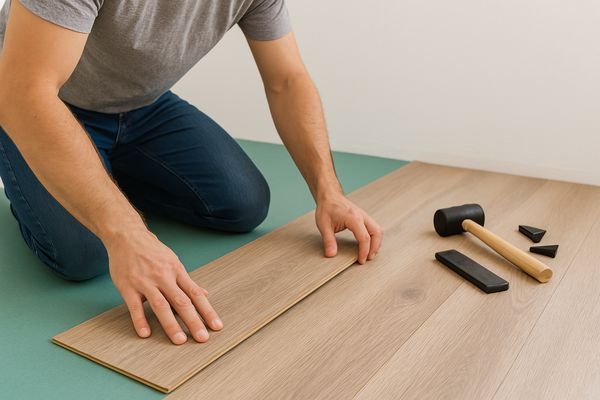
Laminate flooring installation guide searches usually start when homeowners want a stylish floor without the high cost of hardwood.
Laminate flooring has become a favorite choice for modern homes because it balances affordability, durability, and design. Yet many people feel overwhelmed when it comes to installing it correctly. A poorly installed laminate floor can creak, separate, or wear unevenly within months. This guide is written from hands-on experience, contractor insights, and real homeowner lessons to help you get it right the first time.
Table of Contents
ToggleWhy Laminate Flooring Is a Smart Choice for Homes
Laminate flooring offers the look of wood or stone without the maintenance headaches. Its layered construction makes it resistant to scratches and fading, which is ideal for busy households.
Over the years, installation systems have improved dramatically. Click-lock mechanisms allow for faster installation and fewer errors. Understanding the process before starting is what separates a smooth project from a frustrating one.
Understanding What Laminate Flooring Really Is
Laminate flooring is not solid wood. It is a multi-layer product designed for stability and performance.
The top layer is a protective wear layer, followed by a decorative image layer. Beneath that is a dense fiberboard core, and at the bottom is a stabilizing backing. Each layer plays a role in durability and moisture resistance.
Knowing this structure helps explain why proper installation matters so much.
Planning Before You Install Anything
Rushing into installation is the most common mistake homeowners make.
Before opening a single plank, measure the room carefully and calculate extra material for waste and future repairs. Most professionals recommend adding ten percent extra to your total.
Planning also includes deciding plank direction. Flooring installed parallel to the longest wall often looks more natural and spacious.
Preparing the Subfloor for Success
A flawless laminate floor starts beneath the surface.
The subfloor must be clean, dry, and level. Even minor bumps can cause movement and noise over time. Concrete subfloors should be moisture-tested, while wooden subfloors must be secured tightly.
Many failures blamed on laminate quality are actually subfloor issues. This step cannot be skipped.
Acclimating Laminate Flooring the Right Way
Laminate flooring needs time to adjust to your home’s environment.
Planks should sit unopened in the installation area for at least forty-eight hours. This allows them to adapt to temperature and humidity.
Skipping acclimation can lead to expansion or contraction after installation, causing gaps or buckling.
Tools That Make Installation Easier
While laminate flooring is considered DIY-friendly, the right tools make a huge difference.
Basic tools include a tape measure, spacers, tapping block, pull bar, and saw. Using proper tools ensures clean cuts and tight joints.
Experience shows that tool quality directly affects installation accuracy.
Underlayment and Its Importance
Underlayment is often overlooked but plays a crucial role.
It provides cushioning, reduces noise, and acts as a moisture barrier. Some laminate planks come with attached underlayment, while others require a separate layer.
Choosing the right underlayment enhances comfort and extends floor life.
Starting the Installation the Right Way
The first row sets the tone for the entire floor.
Planks should be installed with spacers to maintain an expansion gap along walls. This gap allows the floor to expand naturally without pressure.
A crooked first row leads to visible alignment issues later. Precision at this stage saves time and frustration.
Click-Lock Systems Explained
Modern laminate flooring uses click-lock technology.
Planks connect by angling and snapping together without glue. Proper alignment is essential to avoid damaging locking edges.
This system makes installation faster, but it still requires patience and attention.
Cutting Planks Without Chipping
Clean cuts are essential for a professional finish.
Using a fine-tooth blade minimizes chipping. Always cut with the decorative side facing up unless using a saw designed for laminate.
Accurate cuts ensure tight fits around doorways and corners.
Dealing With Door Frames and Obstacles
Door frames are one of the trickiest parts of installation.
Undercutting door jambs allows planks to slide underneath, creating a seamless look. This small detail separates amateur installs from professional ones.
Taking time here improves both aesthetics and durability.
Maintaining Consistent Expansion Gaps
Laminate flooring expands and contracts with environmental changes.
Expansion gaps must remain consistent around the entire perimeter. Covering them later with baseboards or molding hides the gap while allowing movement.
Ignoring this principle often leads to buckling months after installation.
Working Row by Row With Confidence
Each row should lock tightly with the previous one.
Staggering plank joints improves strength and visual appeal. Avoid aligning seams too closely, as this weakens the floor structure.
Patience during this phase ensures long-term stability.
Common Mistakes Homeowners Make
Many installation issues come from rushing or skipping steps.
Forcing planks together can damage locking systems. Ignoring moisture barriers leads to swelling. Uneven subfloors cause noise.
A reliable laminate flooring installation guide emphasizes prevention over repair.
Real-Life Example From a DIY Installation
A homeowner once installed laminate flooring in a living room over an uneven subfloor.
Within weeks, the floor began creaking loudly. The issue was not the laminate but the preparation. After reinstalling with proper leveling, the problem disappeared.
This example highlights why preparation matters more than speed.
Installing Laminate Flooring Over Existing Floors
Laminate can be installed over tile, vinyl, or hardwood if conditions are right.
The existing floor must be flat and stable. Thick carpet and padding must be removed.
This flexibility makes laminate a popular renovation choice.
Handling Moisture-Prone Areas Carefully
Laminate flooring is not waterproof by default.
Bathrooms and laundry rooms require moisture-resistant laminate and proper sealing. Using the wrong product in wet areas leads to failure.
Understanding product specifications prevents costly mistakes.
Finishing Touches That Elevate the Look
Once planks are installed, finishing details matter.
Baseboards, transitions, and thresholds create clean edges and protect expansion gaps. These details complete the project visually and structurally.
Professionals often say installation isn’t finished until trim is installed.
Post-Installation Care and Maintenance
Proper care keeps laminate floors looking new.
Avoid excessive water during cleaning. Use felt pads under furniture to prevent scratches.
Routine maintenance extends the life of the floor significantly.
Expert Insights on Long-Term Performance
Flooring experts agree that correct installation determines lifespan.
High-quality laminate installed poorly fails faster than budget laminate installed correctly. Skill and preparation outweigh brand choice.
Following a trusted laminate flooring installation guide protects your investment.
Sound and Comfort Considerations
Laminate floors can amplify sound if installed incorrectly.
Underlayment and proper subfloor preparation reduce echo and noise. Area rugs also help absorb sound in larger rooms.
Comfort includes acoustics, not just appearance.
Temperature and Seasonal Changes
Laminate reacts to temperature fluctuations.
Homes without climate control may experience more movement. Expansion gaps and acclimation help manage this naturally.
Understanding seasonal behavior prevents surprises.
Professional Installation vs DIY Decisions
DIY installation saves money, but only when done correctly.
Complex layouts or moisture-prone areas may benefit from professional help. Knowing your limits is part of smart planning.
Many homeowners successfully install laminate themselves using a reliable laminate flooring installation guide and patience.
Cost Considerations and Value
Laminate flooring offers strong value for its price.
Installation costs are lower than hardwood, and maintenance is minimal. When installed correctly, laminate lasts many years.
Value comes from durability and satisfaction, not just price.
Building Confidence Through Knowledge
Knowledge transforms installation from intimidating to manageable.
Each step builds confidence and skill. Mistakes decrease when homeowners understand the process deeply.
A detailed laminate flooring installation guide empowers homeowners to create professional results without stress.
Creating a Floor That Lasts
Laminate flooring rewards careful installation.
From planning and preparation to finishing touches, every step matters. When done correctly, laminate floors enhance comfort, style, and value for years.
By applying experience-based insights, expert advice, and thoughtful execution, homeowners can achieve a durable and beautiful floor that truly feels like home.
Read more: