

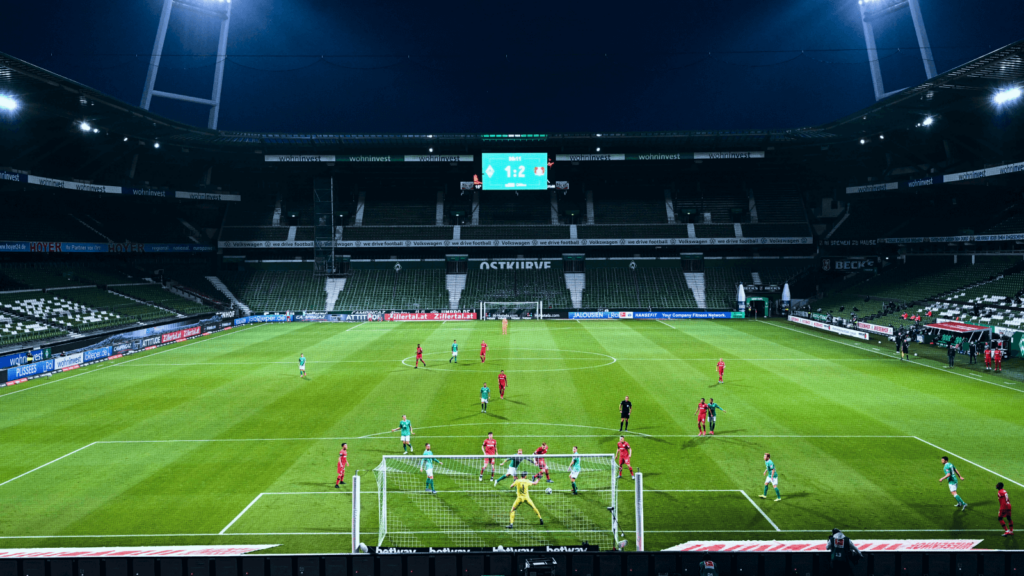
Tactical football evolution has shaped the way football looks, feels, and flows on pitches across the world. From rigid formations of the past to fluid systems seen today, tactics have quietly dictated success long before goals make headlines. When fans marvel at a perfectly timed press or a defender stepping into midfield, they are witnessing decades of thinking, experimenting, and refining.
Football tactics did not evolve overnight. Each era brought new challenges, rule changes, and player profiles that forced coaches to adapt. What started as simple positional discipline slowly turned into a chess match played at full speed. Understanding this journey helps explain why modern football feels faster, smarter, and more unpredictable than ever.
This evolution is not just about formations on a tactics board. It is about how players interpret space, how teams react under pressure, and how ideas spread from one league to another, shaping global football culture.
Early Foundations of Football Tactics
In football’s early days, tactics were minimal. Players focused on individual skill and direct play rather than structured systems. Teams often used heavily attacking shapes, believing more forwards meant more goals.
As competitions became more organized, coaches realized structure mattered. Defenders began holding positions, midfielders connected play, and attackers learned to time runs. These early adjustments laid the groundwork for tactical thinking.
The shift toward organization marked football’s first major tactical awakening. Teams started winning not just by talent, but by collective discipline.
The Birth of Formations and Shape Awareness
Formations introduced clarity and balance. Systems like the WM formation brought defensive stability while maintaining attacking threat. Coaches began assigning specific roles rather than allowing free roaming.
This structure helped teams control space and reduce chaos. Players understood responsibilities, and teamwork improved. Matches became more strategic as teams attempted to exploit weaknesses in opposing shapes.
Formation awareness also allowed managers to plan games rather than react impulsively. This planning mindset remains central to modern coaching.
Defensive Organization and the Rise of Tactical Discipline
As attacking play improved, defensive organization became essential. Teams learned that denying space could neutralize even the most talented attackers.
Zonal marking replaced man-marking in many systems, emphasizing teamwork over individual battles. Defenders moved as units, maintaining shape and compactness.
This defensive evolution forced attackers to think creatively. Tactical battles became layered, with each adjustment prompting a counter-adjustment.
Total Football and Fluid Movement
One of the most influential moments in tactical football evolution came with the rise of Total Football. This philosophy encouraged positional interchange, where players swapped roles seamlessly.
Instead of rigid assignments, players were taught principles. Space became more important than position. This fluidity confused opponents and created numerical advantages across the pitch.
Total Football changed how coaches viewed player intelligence. Versatility became a prized attribute, influencing player development worldwide.
The Midfield as the Tactical Engine
As tactics advanced, midfield control emerged as a decisive factor. Teams that dominated midfield dictated tempo and direction.
Holding midfielders shielded defenses, while creative midfielders linked play. Coaches began designing systems around midfield balance.
This focus transformed matches into battles for control rather than purely physical contests. The midfield became the brain of the team.
Pressing Systems and Collective Intensity
Pressing redefined defensive strategy. Instead of waiting deep, teams actively hunted the ball high up the pitch.
This approach required coordination, fitness, and timing. Pressing was not chaos but organized aggression. Triggers guided players on when to press and when to retreat.
High pressing changed how teams built attacks. Goalkeepers and defenders became essential in maintaining possession under pressure.
The Influence of Data and Analysis
Modern tactical football evolution owes much to data analysis. Coaches now use performance metrics to refine systems and exploit trends.
Match analysis helps identify pressing efficiency, passing networks, and positional discipline. Tactical decisions are supported by evidence rather than intuition alone.
Data has not replaced experience, but it has sharpened it. Coaches combine insights with football instincts to gain marginal advantages.
Possession-Based Football and Positional Play
Possession football emphasizes control and patience. Teams circulate the ball to create openings rather than forcing chances.
Positional play organizes players into zones, ensuring passing options and spacing. This structure allows teams to dominate territory and tempo.
Such systems demand technical excellence and tactical understanding. When executed well, possession football suffocates opponents mentally and physically.
Counterattacking as a Tactical Weapon
Not all tactical progress favored possession. Counterattacking evolved into a refined strategy for exploiting space left by attacking teams.
Speed, timing, and vertical passing define effective counterattacks. Teams absorb pressure and strike decisively.
This balance between control and transition keeps football tactically diverse and unpredictable.
Fullbacks and the Redefinition of Roles
Modern tactics have transformed fullbacks from defenders into key attackers. They provide width, overload midfield areas, and contribute creatively.
Inverted fullbacks step inside to support build-up play. This adjustment adds numerical superiority in central zones.
Role evolution highlights football’s adaptability. Positions are no longer fixed labels but dynamic responsibilities.
The Tactical Importance of Goalkeepers
Goalkeepers are no longer just shot-stoppers. Modern systems require them to act as playmakers.
Comfort on the ball allows teams to build from the back under pressure. Distribution quality influences attacking rhythm.
This shift reflects the holistic nature of tactical football evolution, where every position contributes strategically.
Adaptability and In-Game Management
Modern managers emphasize adaptability. Tactical plans are adjusted during matches based on opponent behavior.
Subtle changes in pressing height or defensive shape can alter momentum. Successful teams respond faster than their rivals.
This real-time decision-making separates elite coaches from the rest.
Youth Development and Tactical Education
Youth academies now teach tactical concepts early. Young players learn spacing, pressing cues, and positional awareness.
This education prepares them for complex systems at senior level. Tactical intelligence becomes second nature.
Early exposure accelerates development and reduces adaptation time.
Cultural Influences on Tactical Styles
Different football cultures influence tactical preferences. Some leagues favor physical intensity, others technical control.
Globalization has blended styles, creating hybrid systems. Coaches borrow ideas across borders.
This exchange enriches football and drives continuous tactical innovation.
The Impact of Rule Changes
Rule changes often trigger tactical shifts. Back-pass rules, substitution allowances, and offside interpretations reshape strategies.
Coaches quickly adapt to exploit new regulations. Tactical creativity thrives within constraints.
Understanding these influences adds depth to tactical analysis.
Psychological Aspects of Tactical Play
Tactics influence mindset. Pressing aggressively can intimidate opponents, while controlled possession builds confidence.
Teams with clear tactical identity perform with belief. This psychological edge often determines tight matches.
Mental readiness and tactical clarity reinforce each other.
Tactical Identity and Club Philosophy
Successful clubs build long-term identities around tactical principles. This consistency guides recruitment and youth development.
Players fit systems rather than systems fitting players. This alignment creates stability.
Tactical identity becomes part of a club’s DNA.
Media, Fans, and Tactical Awareness
Modern fans are more tactically aware than ever. Analysis shows, social media discussions, and visual tools educate audiences.
This awareness increases appreciation for tactical nuance beyond goals and assists.
Football conversations have become richer and more analytical.
The Future Direction of Tactical Thinking
The future of tactical football evolution will likely emphasize flexibility and multi-functional players. Systems may shift fluidly within matches.
Artificial intelligence and advanced analysis could further refine preparation. However, creativity and intuition will remain essential.
Football will continue evolving as long as ideas challenge conventions.
Why Tactical Evolution Defines Modern Football
Modern football success depends on tactical intelligence as much as talent. Well-drilled teams often outperform more gifted opponents.
Tactical evolution has democratized competition. Smaller teams can compete through smart organization.
This dynamic keeps football exciting and unpredictable.
A Game Shaped by Ideas and Innovation
Football’s beauty lies in its constant reinvention. Tactical football evolution reflects humanity’s desire to innovate, adapt, and outthink rivals.
From simple beginnings to complex systems, tactics have shaped every era. They turn matches into stories of strategy, resilience, and creativity.
As long as football is played, tactical ideas will continue to evolve, shaping the future of the beautiful game.
Read also:
brazil national football team vs chile national football team lineups
mexico national football team vs colombia national football team lineups
usmnt vs venezuela national football team lineups
bahrain national football team vs indonesia national football team lineups