

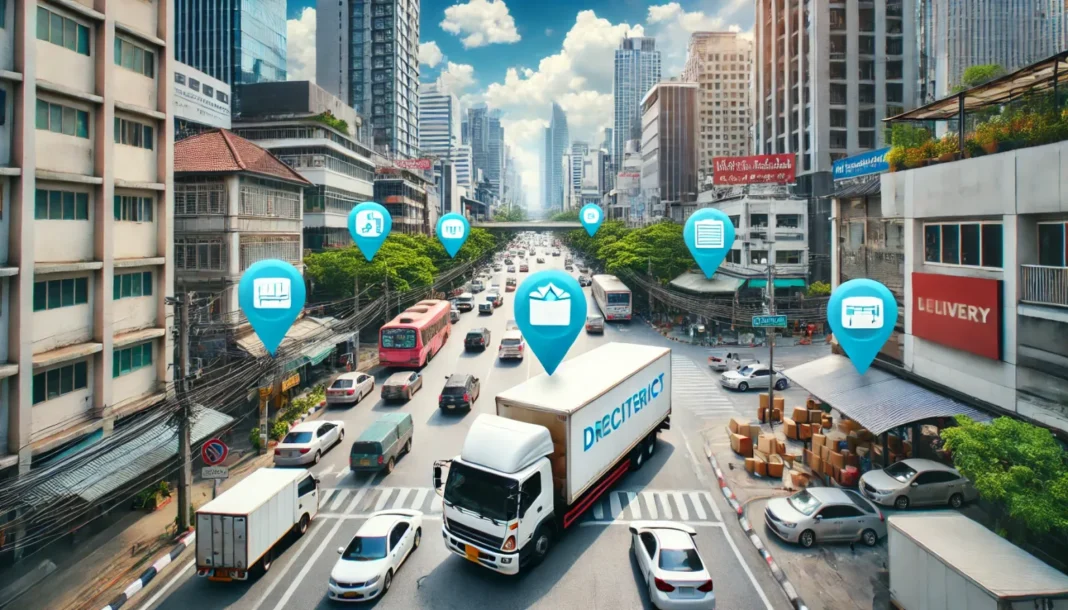
AI route optimization is revolutionizing the logistics and delivery industry by using artificial intelligence to determine the most efficient routes for vehicles. In an era where speed, cost-efficiency, and sustainability matter more than ever, businesses are leveraging AI to streamline operations and enhance customer satisfaction.
For example, consider a nationwide courier company handling thousands of daily shipments. With AI route optimization, drivers receive dynamically updated routes based on real-time traffic, weather, and delivery priority, ensuring packages reach customers faster while minimizing fuel consumption. This technology not only improves efficiency but also creates a better overall experience for businesses and customers alike.
How AI Route Optimization Works
The core of AI route optimization combines real-time data analysis, predictive modeling, and machine learning algorithms. These systems analyze multiple factors, such as traffic patterns, road closures, vehicle capacity, and delivery deadlines, to create optimal routes automatically.
A practical example: a food delivery service can deliver multiple orders simultaneously by calculating the fastest route while keeping meals hot and fresh. By integrating AI route optimization, businesses reduce delays and operational costs while ensuring timely delivery.
Benefits of AI Route Optimization for Businesses
Businesses using AI route optimization gain significant operational advantages. Optimized routes reduce fuel consumption, lower carbon emissions, and enhance fleet utilization. Real-time updates also allow companies to manage unexpected delays proactively, keeping customer satisfaction high.
For instance, a courier startup operating in urban areas can cut delivery times by up to 30% using AI-driven route planning. This efficiency translates into more deliveries per driver, lower overhead costs, and increased revenue. AI route optimization essentially turns logistics into a more precise, predictable, and profitable operation.
Enhanced Customer Experience
Customers increasingly demand transparency, predictability, and speed. AI route optimization directly impacts this by providing accurate delivery time predictions, real-time updates, and seamless service.
Imagine ordering groceries online. With AI-powered route optimization, the delivery service can notify the customer exactly when the driver will arrive, reducing waiting time and frustration. Experiences like this highlight how AI route optimization improves satisfaction and builds trust between businesses and their clients.
The Technology Behind AI Route Optimization
Modern AI route optimization relies on several advanced technologies: machine learning, predictive analytics, cloud computing, and IoT-enabled sensors in vehicles. These systems continuously learn from historical data and real-time conditions to improve routing accuracy.
A logistics company using predictive algorithms alongside AI route optimization can anticipate traffic congestion, reroute vehicles proactively, and reduce missed deliveries. Over time, the system becomes smarter, providing more efficient and cost-effective solutions for fleet management.
Real-world Applications of AI Route Optimization
The applications of AI route optimization go beyond parcel delivery. Food delivery, healthcare logistics, emergency services, and ride-sharing platforms all benefit from this technology.
For example, hospitals delivering urgent medical supplies or vaccines can leverage AI route optimization to reduce travel time, ensuring critical shipments arrive safely and on time. Similarly, ride-sharing platforms use AI to match drivers with passengers along optimized routes, reducing idle time and fuel consumption.
AI Route Optimization and Sustainability
Efficiency isn’t the only advantage of AI route optimization. By minimizing unnecessary driving and optimizing vehicle utilization, businesses reduce carbon emissions and contribute to environmental sustainability.
For instance, a delivery company adopting AI-driven routing reduces fuel usage significantly by consolidating deliveries and avoiding congested routes. This demonstrates how AI route optimization can drive sustainable logistics practices while maintaining efficiency and service quality.
AI Route Optimization for Small Businesses
Small businesses, including local restaurants or e-commerce startups, can greatly benefit from AI route optimization. Even with a limited fleet, AI algorithms can ensure every delivery is efficient, reducing costs and enhancing customer service.
Consider a bakery delivering fresh goods across a city. With AI route optimization, drivers can take the fastest, most efficient routes, ensuring products arrive on time and in perfect condition. This technology levels the playing field for small businesses competing with larger logistics companies.
Overcoming Challenges
While AI route optimization offers numerous benefits, it requires investment in technology, integration with existing systems, and data security measures. Businesses must ensure data privacy while handling sensitive location and customer information.
Additionally, real-time connectivity is essential for dynamic route adjustments. Rural or low-network areas may require hybrid solutions to maintain delivery efficiency. Despite these challenges, the long-term benefits—cost savings, efficiency, sustainability, and enhanced customer satisfaction—make AI route optimization indispensable in modern logistics.
Emerging Trends in AI Route Optimization
The future of AI route optimization includes autonomous vehicles, drone deliveries, and integration with smart city infrastructure. Advanced AI systems can now analyze massive datasets to optimize multi-vehicle fleets, predict peak traffic periods, and enhance energy efficiency.
For instance, companies are experimenting with AI-driven autonomous delivery vans. These vehicles use AI route optimization to navigate city streets safely, reduce human labor costs, and maintain timely deliveries. This trend illustrates the growing role of AI in shaping the logistics landscape.
Maximizing Efficiency with AI Route Optimization
To get the most out of AI route optimization, businesses should combine predictive analytics, real-time monitoring, and automated notifications. Employees and customers alike benefit from accurate ETAs and reduced delays.
For example, combining AI route planning with a customer notification system allows recipients to track their packages in real-time and adjust delivery preferences. This seamless integration demonstrates how AI route optimization enhances logistics efficiency, operational intelligence, and customer satisfaction simultaneously.
Read also:
taj hotel restaurant menu
hungry point franchise price
hotel taj menu
amul ice cream menu