

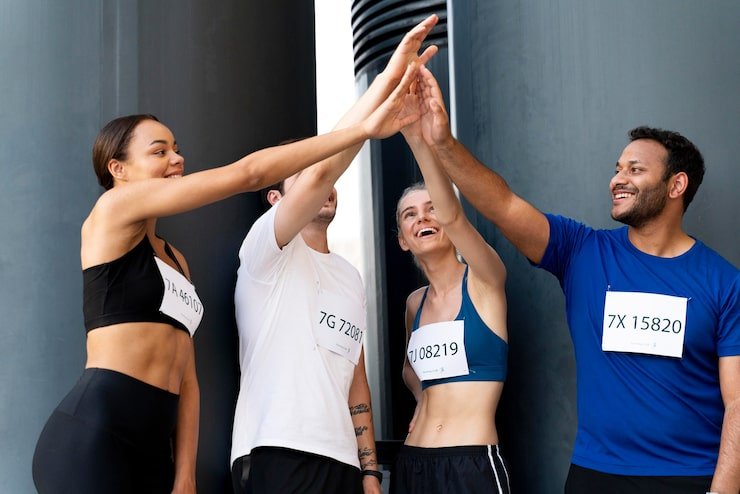
Sports Motivation Programs play a critical role in shaping the mindset, performance, and resilience of athletes at all levels. From school teams to professional leagues, these programs are designed to cultivate determination, foster teamwork, and ignite the inner drive required to excel in competitive sports.
Athletes often face intense pressure, demanding schedules, and high expectations. Without proper motivation, even the most talented individuals may struggle to achieve their potential. That’s where structured sports motivation programs come into play, providing the tools, strategies, and inspiration necessary to overcome challenges and reach peak performance.
The Science Behind Sports Motivation Programs
Motivation in sports is more than just cheering from the sidelines; it’s rooted in psychology, neuroscience, and behavioral science. Programs typically incorporate goal-setting techniques, visualization exercises, and mental conditioning strategies to enhance focus and resilience.
For instance, studies show that athletes who regularly practice visualization and mental rehearsal perform better under pressure. By imagining successful plays or strategies, athletes train their minds alongside their bodies. Sports Motivation Programs leverage these insights to create comprehensive training regimens that balance physical and mental preparation.
Building Team Cohesion and Collective Drive
One of the most significant benefits of sports motivation programs is their ability to strengthen team cohesion. When athletes feel connected and inspired, collaboration and communication improve, leading to better in-game coordination and strategic execution.
A high school soccer team, for example, implemented a motivational program that included group challenges, team goal setting, and peer recognition. The result was a noticeable increase in trust among players, fewer internal conflicts, and improved performance during competitive matches. Programs like these demonstrate that motivation isn’t just individual—it’s collective.
Enhancing Individual Performance Through Personalized Strategies
While team dynamics are vital, individual athletes also benefit from personalized motivation strategies. Tailoring exercises to address personal strengths, weaknesses, and psychological barriers ensures that each athlete maximizes their potential.
A track athlete preparing for national competitions might work with a sports psychologist to develop routines that manage pre-race anxiety and build confidence. By integrating goal tracking, performance analysis, and motivational checkpoints, the athlete develops a structured path toward success. This individualized approach is a cornerstone of effective Sports Motivation Programs.
Storytelling and Real-Life Inspiration
Stories of perseverance, resilience, and achievement are powerful tools in sports motivation programs. Coaches often share real-life examples of athletes overcoming adversity, achieving milestones, or turning failures into lessons.
Consider an underdog basketball player who was cut from the team but used that setback as fuel to train harder. Within a season, they earned a starting position and helped lead the team to victory. Such narratives reinforce the belief that hard work, discipline, and resilience pay off—a message that resonates deeply with both individual athletes and teams.
Incorporating Technology for Motivation
Modern sports motivation programs increasingly leverage technology to enhance engagement and track progress. Mobile apps, wearables, and online platforms allow athletes to set goals, monitor performance, and receive instant feedback.
For example, a motivational app may reward consistent training sessions, track personal records, and provide daily motivational content. By gamifying the experience, athletes remain engaged and motivated throughout their training cycles. Sports Motivation Programs that integrate technology make motivation tangible and measurable.
Mental Resilience: A Key Component
Physical training alone is insufficient for long-term success. Developing mental resilience is a central focus of sports motivation programs. Techniques such as mindfulness, meditation, and cognitive behavioral strategies help athletes cope with stress, overcome setbacks, and maintain focus during critical moments.
A tennis player facing a high-stakes match might use visualization exercises to anticipate challenging scenarios and mentally rehearse positive responses. This preparation reduces anxiety, enhances focus, and increases the likelihood of optimal performance. Mental conditioning ensures that athletes remain consistent, even under intense pressure.
Recognizing Achievements and Reinforcing Motivation
Acknowledgment and reinforcement are vital components of any motivational program. Celebrating milestones, personal bests, and team achievements reinforces positive behaviors and instills a culture of continuous improvement.
In professional sports, teams may celebrate small victories during practice sessions, such as successful drills or personal records. Recognition fosters confidence and drives athletes to sustain effort, knowing that their dedication is valued. Such reinforcement is a key pillar of effective Sports Motivation Programs.
Cultivating Long-Term Passion and Commitment
The ultimate goal of sports motivation programs is to instill a lifelong passion for excellence. Beyond immediate performance, these programs teach athletes discipline, resilience, and the intrinsic value of dedication.
Athletes who internalize these lessons carry the principles into future endeavors, whether pursuing higher-level competition, coaching, or integrating athletic lessons into daily life. By fostering intrinsic motivation, programs ensure that commitment and drive extend beyond temporary training cycles.
Real-Life Applications and Success Stories
Professional teams, collegiate programs, and youth leagues worldwide have integrated sports motivation programs with impressive results. A professional football club, for example, saw a measurable improvement in player engagement and reduced burnout rates after implementing a structured motivational program that included one-on-one coaching, mindfulness training, and team-building exercises.
Similarly, a university athletics department implemented a comprehensive program combining goal setting, mental conditioning, and motivational workshops. Over time, the teams not only performed better on the field but also reported higher levels of satisfaction, confidence, and overall well-being.
Future Trends in Sports Motivation
Emerging trends in sports motivation programs include AI-driven analytics, virtual reality for visualization, and personalized behavioral tracking. These innovations allow coaches and athletes to gain deeper insights into performance, identify motivational gaps, and tailor strategies to individual needs.
Virtual reality, for example, can simulate high-pressure scenarios, allowing athletes to practice coping strategies in a controlled environment. AI systems analyze data to predict when motivation may dip, enabling proactive interventions. These technological advancements promise to revolutionize Sports Motivation Programs in the coming years.
Implementing a Successful Motivation Program
To implement a successful sports motivation program, organizations should focus on the following elements: integrating mental and physical training, leveraging technology, personalizing strategies, and fostering team cohesion. Regular evaluation, feedback loops, and recognition mechanisms ensure continuous improvement and sustained engagement.
A holistic approach that addresses both the mental and physical aspects of performance ensures athletes are not only prepared for competition but also inspired to push beyond perceived limits. When implemented effectively, these programs transform both individuals and teams into high-performing, resilient, and motivated athletes.
Read also:
afghanistan vs west indies
south africa national cricket team vs west indies cricket team match scorecard
paarl royals vs joburg super kings
new zealand national cricket team vs pakistan national cricket team match scorecard
chile national football team vs argentina national football team lineups
mexico national football team vs panama national football team lineups
portugal national football team vs france national football team lineups
ecuador national football team vs brazil national football team lineups